
Access Control Systems Strengthening Entry Management Across Modern Commercial Facilities
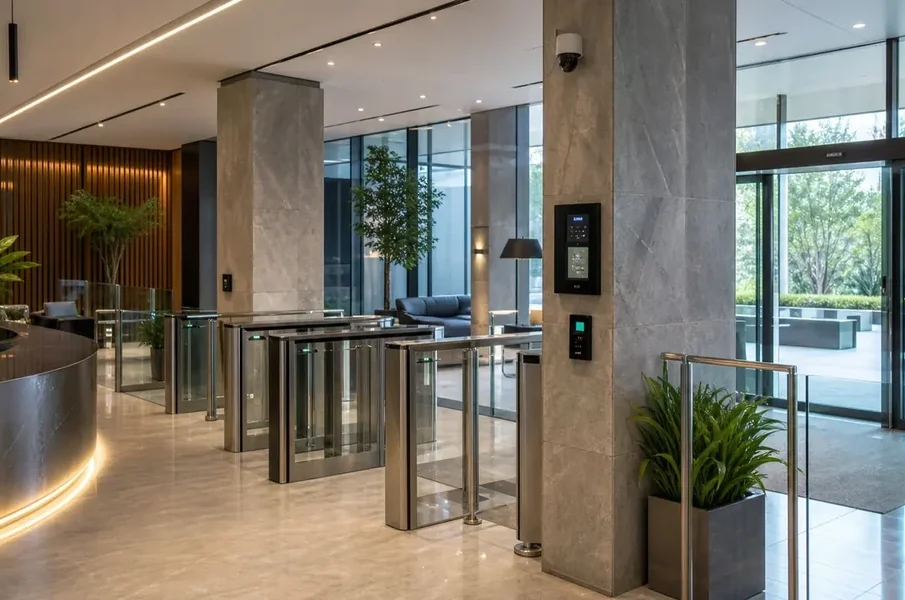
Modern commercial facilities need organized entry processes that keep movement orderly while protecting designated areas. Access control helps establish clear permission levels for staff and approved visitors. It also creates a structured method for checking credentials before someone reaches a restricted space. These arrangements improve oversight while helping facility teams manage daily movement with greater consistency through access control systems.
Organized Entry Permission
Well-planned entry arrangements begin with defined permission levels for different groups. Staff can receive credentials that match their assigned duties within the facility. Visitors can be directed toward approved areas without reaching restricted sections. This structure gives facility managers greater control over movement throughout working hours.
Credential Verification Methods
Credential checks help confirm whether an individual has approval for a particular area. Card readers can identify assigned credentials before a controlled door opens. Biometric readers can verify identity through approved personal characteristics. Mobile credentials can provide another convenient option for authorized personnel.
• Card readers confirm assigned credentials before controlled doors are released.
• Biometric checks verify approved identity using registered personal characteristics.
• Temporary credentials provide limited entry for approved short-term visitors.
• Mobile credentials allow authorized personnel to use registered devices.
• Central records help teams review credential activity during operating hours.
These methods create consistent checkpoints while reducing unnecessary manual handling. They also help organizations maintain clearer records of entry activity.
Centralized Entry Oversight
A centralized control arrangement gives facility teams a broader view of entry activity. Administrators can manage permissions from designated management interfaces. Changes can be applied when employee responsibilities or building requirements shift. This helps keep authorization settings aligned with current operational needs.
Multiple entry points can be connected through access control systems within one coordinated structure. Administrators can assign permissions according to departments or working schedules. They can also remove outdated credentials when responsibilities change. Central oversight makes routine administration easier across larger commercial properties.
Restricted Area Management
Certain rooms require additional permission because they contain valuable equipment or sensitive records. Controlled entry points can separate these locations from general working areas. Permissions can be limited according to specific roles or scheduled duties. This arrangement helps maintain orderly movement around restricted sections.
Visitor Entry Coordination
Visitor handling can be organized through defined registration procedures at designated reception areas. Staff can confirm visitor details before issuing temporary credentials. Approved visitors can then move toward their assigned destination under established facility procedures. This creates a consistent process for short-term guests.
• Reception teams can verify visitor details before credential issuance.
• Temporary badges can identify approved guests during scheduled visits.
• Host confirmation can establish responsibility for each registered visitor.
• Expiry settings can deactivate temporary credentials after approved periods.
• Visitor records can help review movement during operating hours.
These practices help facility teams maintain orderly guest handling without disrupting normal operations. They also create clearer separation between staff movement and visitor activity.
Integrated Facility Protection
Entry management becomes more effective when connected with broader building controls. Door monitoring can work alongside alarms and surveillance equipment. Alerts can notify responsible teams when defined entry conditions occur. Centralized records can also provide useful information for routine administration.
A coordinated arrangement helps organizations maintain consistent procedures across multiple facility zones. Permission changes can be managed according to current responsibilities. Recorded activity can assist with internal reviews when required. Regular credential updates keep authorization aligned with staffing changes.
Effective planning combines suitable credentials with defined permissions and centralized administration. Facility teams can improve coordination by matching entry controls with actual operational requirements. Regular reviews help keep permissions current while maintaining consistent procedures for staff, guests, and restricted areas.
FAQ
What does access control help manage within commercial facilities?
It manages authorized movement across designated areas within commercial facilities.
Which credentials can be used for controlled facility entry?
Cards, biometrics, and mobile credentials can verify approved personnel identities.
Why should entry permissions receive regular administrative review?
Regular reviews keep authorization aligned with changing workplace responsibilities.
About The Author