
Why Material Transport Is Becoming a Key Automation Priority
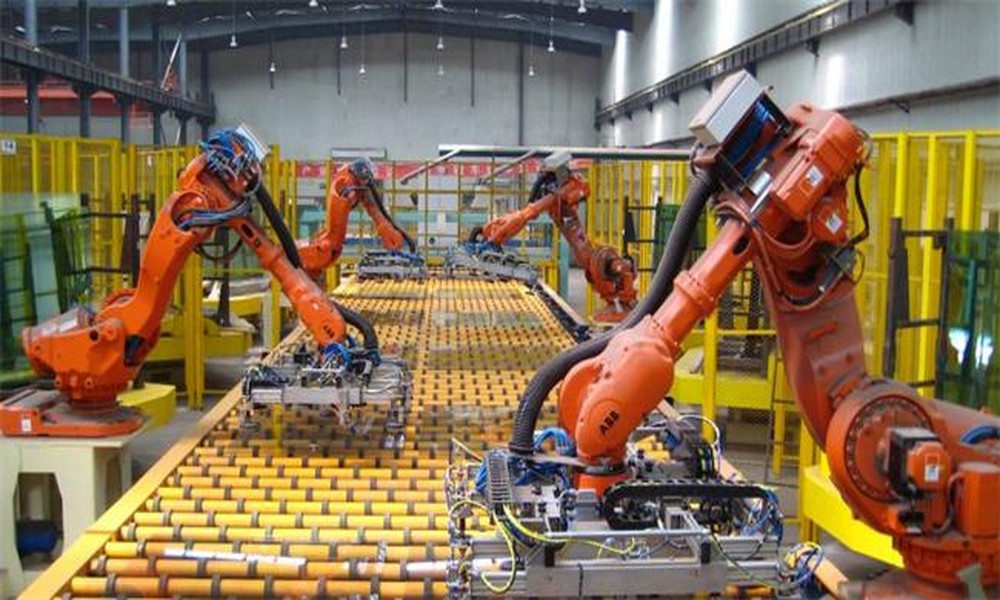
Industrial and logistics operations historically focused automation efforts on fixed, high-value tasks. Robotic arms were bolted to the floor to weld automotive frames, CNC machines ran unassisted, and automated packaging lines wrapped pallets at blistering speeds. Yet, a massive operational gap remained right under our feet. The physical movement of goods between these automated islands stayed stubbornly manual.
Workers spent significant portions of their shifts pushing carts, driving forklifts, and walking miles across concrete floors just to transport parts from point A to point B. Today, a distinct shift is occurring. Facilities are recognizing that moving materials is not just a secondary task; it is the connective tissue of the entire supply chain, and it represents a massive source of hidden waste.
The Cost of Moving Things Manually
When process engineers map a facility floor using value-stream mapping, they categorize every action into value-add or non-value-add. Machining a part adds value. Packaging a product adds value. Transporting that same product sixty feet across a warehouse does not. The customer does not pay for the distance a component travels inside a building; they pay for the finished good.
Manual material transport is highly inefficient. When a skilled machine operator leaves their station to look for a pallet jack or wait for a forklift driver, expensive production equipment sits idle. This creates micro-downtimes that aggregate into major productivity losses over a fiscal quarter.
Beyond efficiency, safety risks represent a significant hidden liability. Forklift accidents remain a leading cause of workplace injuries in industrial environments. Human fatigue during long shifts leads to spatial awareness drops, resulting in collisions with racking, inventory damage, or worse, pedestrian injuries. Standardizing the flow of heavy goods removes these unpredictable variables from the equation.
Shifting Labor Dynamics
Finding and retaining reliable labor for repetitive transport tasks has become an uphill battle. The physical toll of walking ten miles a day on concrete or lifting heavy components repeatedly drives high turnover rates in the logistics and manufacturing sectors. When a facility loses a material handler, the onboarding and training process drains resources from management.
Automation acts as a stabilizing force. By transitioning mundane transport routes to mechanical systems, managers can reallocate their existing workforce to roles that require human judgment, dexterity, and critical thinking. A worker who used to spend eight hours a day moving plastic bins can be upskilled to manage the quality control station or oversee the very machines doing the hauling. This shift improves employee retention and maximizes the value of human capital.
Integrating Flexible Transport Workflows
The technology driving material transport has evolved past the rigid, permanent conveyor systems of the past. Modern facilities require adaptability, especially when handling shorter product lifecycles and high-mix production runs. Fixed infrastructure restricts floor plans and creates permanent physical barriers within a facility.
Modern alternatives offer unprecedented modularity. Deploying smart mobile platforms and robotic material handling solutions -which can be programmed to navigate dynamic floor layouts without magnetic tape or floor markers-allows operations to scale fluidly. These systems interface directly with existing production lines, picking up payloads from a conveyor, transporting them through narrow aisles, and dropping them off at a shipping dock. Because these units use digital maps and onboard sensors to detect obstacles in real time, they operate safely alongside human workers without requiring massive physical safety cages.
This spatial flexibility changes the math for facility design. If a production line needs to expand or a new warehouse layout is implemented, changing the transport route requires updating a software map rather than tearing up concrete or rebuilding conveyor networks.
Managing the Upstream and Downstream Ripple Effect
Automating material transport forces a company to clean up its operational data and physical discipline. A robot cannot navigate an aisle blocked by a randomly parked pallet, nor can it process an inventory transfer if the digital tracking system is lagging.
To make transport automation viable, operations must implement clear physical staging areas. This structure introduces a high level of predictability to the floor. Upstream processes must maintain a steady cadence to prevent material accumulation at the robot pickup points. Downstream stations must be ready to receive goods at regular intervals.
This predictability ripples through the entire supply chain. When transport times become a fixed variable rather than a fluctuating estimate based on human availability, scheduling software can optimize production runs with extreme precision. Inventory levels can be reduced because the facility operates on a highly synchronized, just-in-time delivery model internally.
Evaluating Infrastructure Readiness
Transitioning to automated transport requires a realistic assessment of the current environment. The physical floor condition is a major factor. While humans can easily navigate cracked concrete, uneven transitions, or steep ramps, mobile automation requires relatively smooth surfaces to operate at peak efficiency.
Facilities must also analyze data connectivity. Automated mobile systems rely on continuous, reliable wireless networks to communicate with warehouse management software and receive routing instructions. Dead zones in a facility can stall an entire fleet, creating unexpected bottlenecks. Managers must view transport automation not as a standalone purchase of hardware, but as an integrated system that ties together physical floor management, network infrastructure, and digital inventory tracking.
About The Author


