
Getting Started with CFD: A Guide for Engineering Students
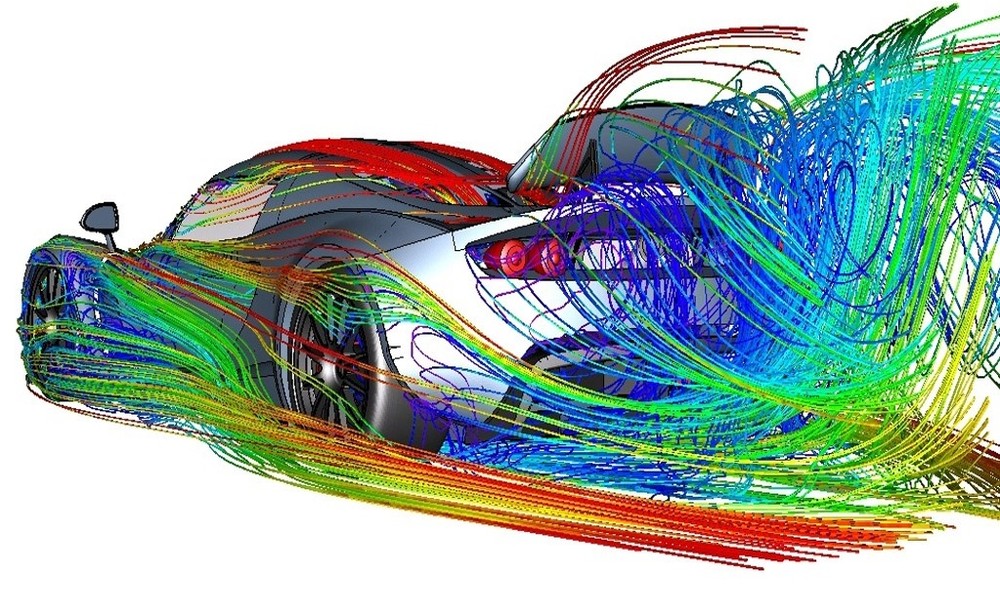
Computational Fluid Dynamics (CFD) is a powerful engineering tool that helps students and professionals study how fluids move and how heat is transferred. By using computational fluid dynamics cfd software, engineers can simulate real-life situations on a computer instead of relying only on physical tests. This makes it easier to test ideas, improve designs, and understand complex flow behavior in a clear and practical way.
What Is CFD?
CFD software uses computer-based calculations to study the movement of liquids and gases. It brings together basic math, physics, and computing to model how fluids behave in different situations. Common examples include airflow over an airplane wing, water flowing through pipes, or heat moving through electronic devices.
Instead of building many physical models, CFD allows engineers to run virtual tests. These simulations show how pressure, speed, temperature, and flow patterns change, helping engineers make better decisions early in the design process.
Why CFD Matters for Engineering Students
Learning CFD gives students a strong advantage. It is widely used in industries such as aerospace, automotive, energy, construction, and even healthcare. Many companies look for engineers who can use CFD to improve performance and solve design problems.
CFD also helps students build strong thinking skills. You learn how to break down complex problems, analyze results, and make improvements based on data. These skills are useful not only in engineering jobs but also in research and advanced studies.
How to Get Started and Build CFD Skills
Starting with CFD may feel challenging at first, but with the right steps and practice, it becomes much easier to understand and use. The key is to build a strong foundation and gain hands-on experience.
Learn the Basics First
Before using CFD tools, it’s important to understand the basics of fluid mechanics and heat transfer. These subjects explain how fluids move and how heat flows. You should also learn simple numerical methods, which are math techniques used by computers to solve problems.
Once you have this foundation, you can move on to basic CFD ideas like mesh creation, boundary conditions, and solver settings. These concepts explain how simulations are set up and how results are calculated.
Choose the Right CFD Software
There are many CFD tools available today. Some are provided by universities, while others are free and open to everyone. Beginner-friendly options are a great way to learn without high costs.
Using CFD software helps you understand how theory works in real situations. You’ll learn how to set up models, run simulations, and study results in a visual and practical way.
Practice with Simple Examples
Start with easy problems, such as air flowing through a straight pipe or heat moving through a flat surface. These basic cases help you understand each step of the process without feeling overwhelmed.
As you gain confidence, you can move on to small projects or school assignments. Working on real examples is one of the best ways to improve your skills and learn from mistakes.
Learn from Others and Stay Involved
Joining CFD communities can be very helpful. Online forums, student groups, and university research teams allow you to ask questions, share ideas, and learn from people with more experience.
Reading case studies and research papers also helps you see how CFD is used in real-world projects. This keeps your knowledge fresh and shows you new ways CFD can be applied.
Final Thoughts
CFD is an important skill that can greatly benefit engineering students. By learning the basics, practicing with simple problems, and using the right tools, you can build a strong understanding of fluid flow and heat transfer. With patience and regular practice, CFD can open doors to exciting careers, research opportunities, and better design solutions in many engineering fields.
About The Author